Anxiety is a nervous system condition, not weakness
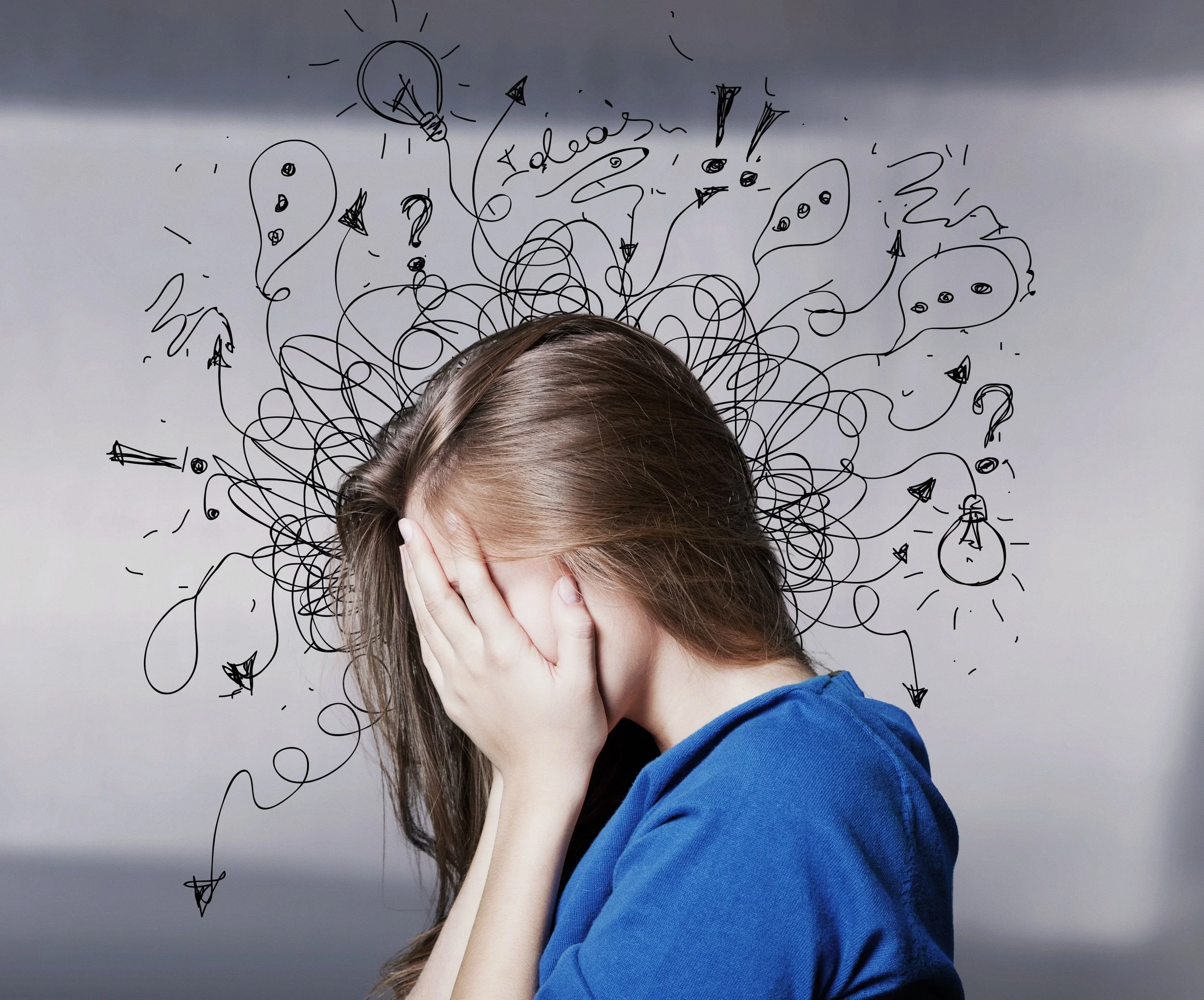
When you picture anxiety, you might picture Inside Out 2’s orange, frazzled emotion whose goal was to protect her feelings and plan for her future. In the film, anxiety is only embodied after the main character comes of age, but in real life, anxiety can occur within anyone at any age.
This is because anxiety is a natural reaction in your body to uneasy situations, causing apprehensive symptoms such as:
Feeling weak, tired, faint, or overwhelmed
Increased heart rate
Inability to concentrate on anything aside from the present worry
Difficulty sleeping
Poor digestion
What is “fight-or-flight”?
When a stressful situation occurs, the amygdala, the part of the brain that processes emotions, sends a “distress signal” to the hypothalamus. The hypothalamus controls involuntary body functions such as breathing, heartbeat, and blood pressure. Therefore, when the hypothalamus receives the distress signal, it will trigger a “fight-or-flight” response in a person’s body.
One of these responses involves an increased circulation of epinephrine (also known as adrenaline) into the bloodstream.
Can“fight-or-flight” be treated?
The increased surge of adrenaline triggers the fight-or-flight response so quickly that an anxious individual is most likely to make irrational decisions before they think about what they’re doing.
In moments of high pressure and overwhelming feelings, it’s essential to “pause,” relax, and breathe—this will decrease your body’s anxious responses. By calming yourself in stressful situations, you’ll be able to plan out more thoughtful decisions.
Anxiety disorders make the fight-or-flight response more challenging to overcome. In repeated episodes, an individual may consider speaking with their physician or a mental health care provider.