ADHD burnout looks like this
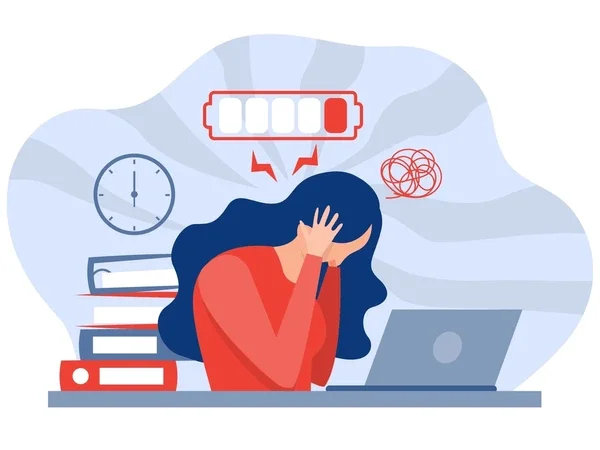
Everyone experiences burnout at some point in their lives, whether it’s the result of school, work, or even extracurricular hobbies. For an individual with ADHD—whose brain is wired different for motivation and reward—burnout can be compounded by challenges with time management habits and task completion.
What leads to ADHD-related burnout
Disorganization
Not only can completing a task be challenging, but an ADHD individual might spend more time trying to track schedules and processes, as if understanding the “when and where” of a task, but unable to focus on the “how and why” of a task.
Impulsive behavior, impulsive thoughts
An ADHD brain seeks out stimulation, which can cause unrelated activities or thoughts to be tempting and distracting. For example, social situations can be challenging for a person with ADHD, as they might struggle to focus on one conversation thread or thought. This can also make plans, even with friends and family, difficult to follow up on, and make life feel more overwhelming.
Task Paralysis
Due to disorganization and overwhelming feelings, task paralysis can occur when an individual with ADHD wants to start, but feels unable to act on their motivation—naturally, this turns into procrastination and enforces a “laziness” stereotype about ADHD.
How to remedy ADHD burnout
Therapies such as cognitive-behavioral therapy (CBT), personal coaching, and other evidence-based mental health care help establish routines, build skills, and support the emotional journey of ADHD management.
The best prevention for ADHD burnout is creating healthy habits, such as working in increments or establishing a better work-life balance. Additionally, learning to ask for help on small and big tasks can reduce overwhelming feelings and find support from friends and family.